生物制药车间霉菌控制的要点及良好实践
Molds are ubiquitous in nature and, therefore, are part of normal microbial flora in biotech DS manufacturing facilities. Microbial control in these facilities is based on several design and operational criteria that prevent and minimize risks of microbial contamination in the process stream and, therefore, risk to product quality and patients. Most of the standard microbial control elements in a DS manufacturing facility (e.g., HVAC) are particularly effective against molds when compared to effectiveness against bacterial species, which highlights the value of mold control as a key indicator of potential breaches of some of these design/operational principles. The following topics should be specially considered when developing a facility mold control strategy:
霉菌在自然界中无处不在,故而也是DS生产设施中正常微生物菌群的一部分。这些设施的微生物控制是基于若干设计和操作标准而开展的,其目的在于预防并最大程度降低工艺流中微生物污染的风险,进而保障产品质量和患者安全。与针对细菌的控制成效相比,DS生产设施中多数标准微生物控制措施(如HVAC)对霉菌的抑制效果尤为突出。这充分彰显了霉菌控制作为关键指标的价值——它能够对某些设计/操作原则可能被突破的情况发出预警。在制定设施霉菌控制策略时,应特别留意以下要点:
● Cleaning and sanitisation: In many cases, molds/ mold spores are more resistant than vegetative bacteria to cleaning regimes. Therefore, disinfectants used in facility cleaning need to be confirmed to be effective against representative mold isolates. Inclusion of an effective fungicidal/sporicidal agent in the routine disinfectant rotation is recommended. The effectiveness of disinfectant agents might need to be also verified for low temperatures, if applicable.
清洁和消毒:在许多情况下,霉菌/霉菌孢子比细菌更能抵抗清洁方案。因此,需要确认用于设施清洁的消毒剂对代表性霉菌分离株有效。建议在常规消毒剂轮换中包含有效的杀真菌剂/杀孢子剂。如果适用,可能还需要在低温下验证消毒剂的有效性。
● Gowning: Humans entering the manufacturing areas can be one source of molds in these areas. Therefore, the gowning program needs to make use of comprehensive reviews to minimize ingress of molds associated with personnel flows (special attention required for shoe changes or use of shoe covers). Special consideration needs to be taken in situations where there is increased flow of people to
manufacturing areas due to maintenance or engineering activities, which can sometimes be correlated with increased mold excursions.
更衣:人员进入生产区域可能是这些区域滋生霉菌的一个潜在源头。因此,需对更衣程序进行全面审查,以最大程度减少与人员流动相关的霉菌侵入情况(更换鞋子或使用鞋套时需格外留意)。当因维护或工程活动致使进入生产区域的人员流量增多时,需予以特别考量,因为这有时可能会引发霉菌超标问题。
● Material flows: Because mold spores can survive on equipment, the surfaces of incoming material and equipment (including cart trolley wheels) should be decontaminated (according to a proceduralized method) on entry to a processing area to limit microbial (including mold) ingress. Materials like wood, any kind of cardboard, and other cellulosic materials have to be kept outside of cleanrooms because they are difficult to adequately decontaminate.
物料流动:由于霉菌孢子能够在设备上存活,进入加工区域的物料表面以及设备(包括手推车轮)应按照程序化的方法进行去污处理,以限制包括霉菌在内的微生物进入。木材、任何种类的纸板以及其他纤维素材料难以彻底去污,因此必须存放在洁净室之外。
● Coldroom controls: Many raw materials and process materials may be stored in coldrooms prior to processing. Coldrooms (including air vents and fans) should be cleaned and sanitized on a defined frequency to limit the potential for the proliferation of molds. Outer packaging may be removed and/or surface sanitization of materials should be performed on entry to cleanrooms.
冷库控制:在加工之前,许多原材料和加工材料可能会存放在冷库中。冷库(包括通风口和风扇)应当按照规定的频率进行清洁和消毒,从而降低霉菌滋生的可能性。进入洁净室时,需去除材料的外包装,并且/或者对材料表面进行消毒处理。
● Facility flows: Material/personnel flows in the facility suites need to be designed to maximize unidirectional flows as much as possible.
设施内流动:设施套间内的物料和人员流动设计应尽可能实现单向流动。
● Invasive maintenance Procedures: Special consideration needs to be taken in case of situations where engineering projects are being executed in manufacturing areas concurrently with manufacturing activities in other suites. Complete isolation (hard and not soft, e.g., plastic, physical barriers where possible) and segregation of material and personnel flows need to be in place to minimize ingress of molds into manufacturing areas. Effective disinfection and confirmation of control should be applied prior to reinstating the area for process use.
侵入性维护程序:若在制造区域施工的同时,其他区域仍在开展生产活动,则需予以特别考量。必须设置完善的隔离措施(采用硬隔离而非软隔离,如塑料隔离,尽可能运用物理屏障),并对物料和人员流动进行隔离,从而尽可能减少霉菌进入制造区域。在该区域恢复生产之前,应实施有效的消毒,并确认控制措施切实有效。
● Raw materials: Same as described for personnel, raw materials and raw material containers can be potential sources of molds in manufacturing areas. Adequate vendor qualification and incoming raw materials control, as well as validated decontamination (disinfectant/contact time), need to be in place to minimize the risk of mold ingress from raw materials into the manufacturing area.
原材料:和人员情况类似,原材料及其容器或许是生产区域霉菌的潜在源头。必须实施充分的供应商资质审核和进厂原材料管控措施,同时采用经过验证的去污(消毒剂/接触时间)程序,从而将原材料把霉菌带入生产区域的风险降到最低。
● Utilities: Use of sterile-filtered process gases and validated installation and operation of process water systems are very effective to prevent mold contamination linked to these utilities systems.
公用设施:使用无菌过滤的工艺气体以及对工艺用水系统进行安装和运行确认,对于防止与这些公用设施系统相关的霉菌污染非常有效。
● HVAC design and operation: Proper design of HVAC systems (including appropriate grade and location of terminal filtration), as well as validated operating conditions (air changes/hour, temperature, and humidity in the suites and a preventive maintenance program) are also key elements to minimize mold isolation events coming from outside air.
HVAC设计与运行:HVAC系统的合理设计(涵盖终端过滤器的适宜等级与位置),以及经过验证的运行条件(换气次数/小时、温度、湿度以及预防性维护程序)同样是最大程度减少源自外部空气的霉菌事件的关键因素。
● Facility events: Process events such as liquid spills should be remediated as quickly as possible.
设施事件:诸如液体泄漏之类的工艺事件应尽快得到处理。
● Overall facility design: It is widely known that architectural breaches/deficiencies are one of the root causes of mold isolation into manufacturing areas coming from interstitial spaces, black areas, areas behind equipment panels, or the outside environment. The manufacturing suites need to be properly designed and maintained to ensure physical segregation and to prevent contamination from these spaces (special attention to ceilings, walls, floors, and drains). Thus, preventive maintenanceand proper housekeeping in the manufacturing area represent an essential part of mold contamination prevention.
整体设施设计:众所周知,建筑缺陷是霉菌从夹层空间、死角、设备面板后方或外部环境侵入生产区域的主要原因之一。生产车间需进行合理设计并保持良好维护,以确保实现物理隔离,防止这些空间受到污染(尤其要留意天花板、墙壁、地板和排水沟)。因此,生产区域的预防性维护以及良好的清洁工作是预防霉菌污染的关键环节。
PDA Journal Mold Control and Detection in Biological Drug Substanced Manufacturing Facilities: An Industry Perspective
邵丽竹
何发
相关推荐
-
特别专题 | 连续制造如何实现从工艺开发到生产的连续化与灵活化
凭借工艺技术优势,连续化药品与营养保健品生产正日益普及。菲特公司以 FE CPS 连续处理系统为核心,作为工艺合作伙伴推动全面战略转型。
2025-12-05
-

基于 GMP 检查视角的无菌药品生产环境监测要点分析
目的:阐述无菌生产环境监测重点关注内容,分析常见检查缺陷,以期为无菌药品生产企业提升环境监测能力提供参考,同时为药品生产质量管理规范(GMP)无菌检查环境监测提供检查思路。
2025-12-04
-

底喷微丸包衣工艺参数对包衣效果的影响分析
流化床底喷微丸包衣的工作原理是借助急速上升的空气流使微丸在包衣室内悬浮流动,微丸在干燥室内上下翻动,利用喷枪借助压缩空气将包衣液雾化喷入流化床,在微丸表面形成一定厚度的膜,同时通入热空气迅速干燥上药后的微丸的包衣方法。
2025-12-04


热点文章
-
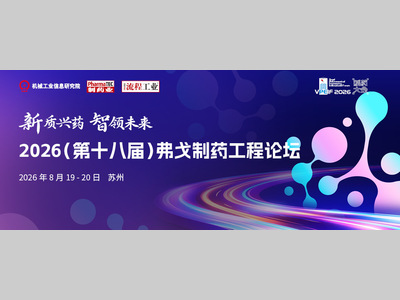
2026(第十八届)弗戈制药工程论坛
2026-08-31
-
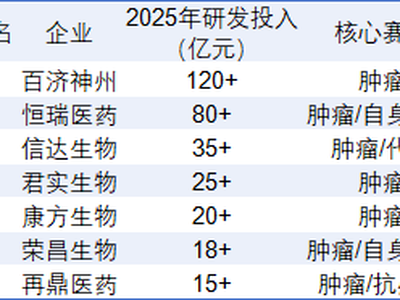
2026中国生物医药全景报告:规模破7万亿,创新药正式出海逆袭
2026-08-31
-
刚刚,国家局 GMP 新附录,来了!
2026-09-02
-
A 级是几级?一张表看懂GMP洁净区 A/B/C/D 四个级别与设计要求
2026-08-26
-
诺和诺德,宣布改名:沿用百年的“Nordisk”正式退场!
2026-09-15
-
国内首仿已报!替尔泊肽专利还剩十年,仿制药大军已经急不可耐?
2026-08-18
-

AI for Science爆发!中国30家硬核企业全盘点
2026-09-14





评论
加载更多