ISPE iSpeak | AI从概念到生产:制药制造中 AI 生产化的经验
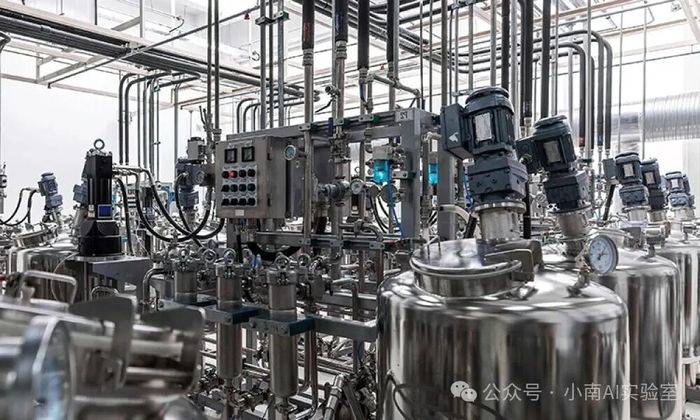 图 1:现代制药工厂内部的管罐与工艺系统(图源:ispewebassets.org,ISPE)
The pharmaceutical industry is increasingly looking to Artificial intelligence (AI) as a potential solution to some of manufacturing's most persistent challenges. Organizations are exploring how AI can reduce the effort required to create and review documents, improve right-first-time performance, standardize investigations and other quality processes, accelerate access to knowledge, support batch and record review, and improve productivity across manufacturing operations. The opportunity is not limited to compliance. The US Food and Drug Administration's (US FDA) discussion paper on AI in drug manufacturing explicitly considers uses such as equipment monitoring and maintenance, continuous improvement, scheduling, supply-chain logistics, raw-material characterization, process control, and release testing.
制药行业越来越多地把人工智能(AI)视为解决制造业一些最顽固挑战的潜在方案。各组织正在探索 AI 如何减少文档创建与审核所需的工作量、提高一次成功率(right-first-time)、使调查及其他质量流程标准化、加速知识获取、支持批次与记录审核,并提升制造运营的生产力。机会不限于合规。美国 FDA 关于药品制造中 AI 的讨论文件明确考虑了设备监测与维护、持续改进、排产、供应链物流、原材料表征、过程控制与放行检验等用途。
While the interest is understandable, it is often accompanied by a different set of conversations within organizations: Will AI replace jobs? Will experienced employees lose control of activities that have traditionally depended on their judgment? Can an AI-generated output be trusted in a GxP environment? What will regulators expect when AI becomes part of routine work? These questions create resistance even when the potential benefits of technology itself are promising.
这种兴趣可以理解,但它往往伴随着组织内另一组对话:AI 会取代工作岗位吗?经验丰富的员工会失去对传统上依赖其判断的活动的控制吗?AI 生成的输出在 GxP 环境中可信吗?当 AI 成为日常工作的一部分时,监管机构会期待什么?即使技术本身的潜在收益很有希望,这些问题也会造成阻力。
The critical lesson from moving AI-enabled use cases from concept to pilot and toward production is that the difficult part is rarely demonstrating that AI brings considerable value when applied in pharmaceutical manufacturing workflows. The more difficult part is redesigning the work around it. The US FDA has described AI management across the medical-product lifecycle as an iterative process extending from ideation and design through data acquisition, model development, deployment, monitoring, and maintenance. That perspective is important: productionization is not a one-time software deployment. It is an operating-model change involving technology, process, people, governance, and continuous learning.
把 AI 用例从概念推进到试点、再走向生产,关键教训是:困难的部分很少是“证明 AI 应用于制药制造工作流能带来可观价值”,更难的部分是围绕它重新设计工作。美国 FDA 曾把医疗产品全生命周期的 AI 管理描述为一个迭代过程,从构思与设计延伸到数据获取、模型开发、部署、监测与维护。这一视角很重要:生产化不是一次性的软件部署,而是涉及技术、流程、人员、治理与持续学习的运营模式变革。
The approach presented here, was applied to AI-enabled knowledge and workflow use cases in pharmaceutical operations and quality. It is intentionally practical: begin with a real business problem, test the value in a controlled environment, and scale only after the workflow, human responsibilities, and performance expectations are understood.
本文介绍的方法应用于制药运营与质量领域的 AI 知识与工作流用例。它刻意保持务实:从真实的业务问题出发,在受控环境中检验价值,只有在理解了工作流、人员职责与绩效期望之后才扩展。
一、方法
Approach
|
|
|
|---|---|
|
Assess & Educate |
|
|
Prioritize & Pilot |
|
|
Scale & Sustain |
|
(原文此处理有一张三阶段流程图,本表按原图内容整理。)
The implementation approach was organized into three stages: assess and educate, prioritize and pilot, and scale and sustain. The objective was to avoid starting with the technology and instead start with the operational problem and the people performing the work.
实施方法分为三个阶段:评估与教育、排序与试点、规模化与维持。目标是避免从技术出发,而是从运营问题和执行工作的人出发。
In the first stage, "Assess and Educate," the organization identifies pain points and potential use cases, determines whether AI is an appropriate technology for the problem, builds basic AI literacy, and assesses organizational readiness. Design-thinking discussions are useful because they move the conversation away from "Where can we use AI?" toward "Where are we repeatedly losing time, quality, consistency, or capacity?"
在第一阶段“评估与教育”,组织识别痛点与潜在用例,判断 AI 是否是该问题的合适技术,建立基础 AI 素养,并评估组织准备度。设计思维的讨论很有用,因为它把对话从“我们能在哪里用 AI?”转向“我们在哪里反复损失时间、质量、一致性或产能?”
The second stage, "Prioritize and Pilot," converts candidate ideas into a small number of testable use cases. A simple feasibility-versus-value or return-on-investment matrix can help avoid selecting use cases only because they are technically interesting. A minimum viable product is then implemented in a controlled environment, with the business workflow, data inputs, expected outputs, human review points, and success measures defined up front. This emphasis on a clearly defined context of use is consistent with emerging regulatory thinking. US FDA's January 2025 draft guidance proposes a risk-based credibility framework for AI models based on their specific context of use, while the US FDA-European Medicines Agency Guiding Principles of Good AI Practice in Drug Development (2026) emphasize human-centric design, risk-based application, clear context of use, data governance, performance assessment, and life-cycle management.
第二阶段“排序与试点”把候选想法转化为少量可测试的用例。一个简单的“可行性—价值”或投资回报矩阵,可以避免只因为技术上有意思就选中某个用例。随后在受控环境中实施最小可行产品(MVP),业务工作流、数据输入、预期输出、人工审核点与成功度量都在事前定义。这种对清晰使用情境(context of use)的强调,与正在成形的监管思路一致:美国 FDA 2025 年 1 月的指南草案提出了基于 AI 模型特定使用情境的风险可信度框架;美国 FDA 与欧洲药品管理局(EMA)的《药物开发中 AI 良好实践指导原则》(2026)强调以人为本的设计、基于风险的应用、清晰的使用情境、数据治理、性能评估与生命周期管理。
The third stage, "Scale and Sustain," is where many pilots either become useful operational capabilities or stall. Scaling requires implementation planning, change management, monitoring, optimization, continuous learning, and transfer of knowledge to internal teams. At this stage, the question is no longer whether the AI can perform a task; it is whether the organization can reliably operate the redesigned process.
第三阶段“规模化与维持”是许多试点要么变成有用的运营能力、要么停滞的地方。规模化需要实施规划、变更管理、监测、优化、持续学习,以及把知识转移给内部团队。到了这一阶段,问题不再是“AI 能不能执行某项任务”,而是“组织能不能可靠地运行这个被重新设计过的流程”。
二、挑战
Challenges
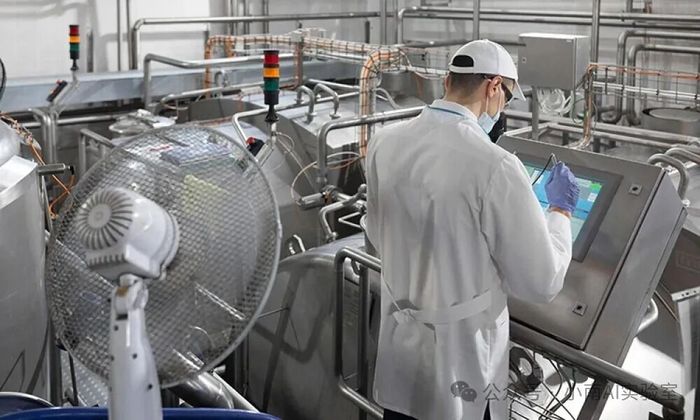
图 2:洁净区内操作生产设备终端的一线人员(图源:ispewebassets.org,ISPE)
1. AI 实施是流程再造,不只是软件部署
1. AI implementation is process reengineering, not just software deployment
A solution may work extremely well for one or two enthusiastic users and still fail when introduced to a broader group. The reason is that AI often changes who performs which part of the work. Consider an investigation workflow. Traditionally, an investigator may gather information, search procedures and historical events, identify possible causes, draft the investigation, and revise it after quality review. In an AI-enabled workflow, the technology may organize information, identify gaps, retrieve relevant knowledge, structure lines of inquiry, or create a first draft. Human effort then shifts toward ensuring the correct data were provided, challenging assumptions, assessing technical relevance, resolving ambiguity, and approving the final conclusion. That is a different process, not merely a faster version of the old one. Resistance frequently reflects this redistribution of work and accountability rather than resistance to technology itself.
一个方案可能对一两个热情用户运行得极好,推广到更大群体时仍然失败。原因是 AI 常常改变了“谁来做工作的哪一部分”。以调查工作流为例:传统上,调查员收集信息、检索规程与历史事件、识别可能原因、起草调查报告、按质量审核意见修改。在 AI 赋能的工作流中,技术可以组织信息、识别缺口、检索相关知识、构建调查线索或产出初稿;人的精力则转向确保提供了正确的数据、质疑假设、评估技术相关性、消解歧义、批准最终结论。这是一个不同的流程,不只是旧流程的加速版。抵触情绪往往反映的是工作与责任的再分配,而非对技术本身的抵触。
2. 管理“AI 应该包办一切”的期望
2. Managing the expectation that AI should do everything
Consumer AI has created an expectation that a user should provide a short instruction and immediately receive a complete answer. In pharmaceutical operations, useful outputs depend on the completeness, accuracy, and context of the inputs. AI cannot identify a credible root cause when essential event information was never captured, and it cannot generate an organization-specific procedure when the relevant process requirements and source documents are missing. Users therefore need to understand what the application can do, what it cannot do, what information must be supplied, and how to challenge unsupported conclusions. Upskilling is not an optional training activity after deployment; it is part of the control strategy.
消费级 AI 制造了一种期望:用户给一句简短指令,就应立刻得到完整答案。在制药运营中,有用的输出取决于输入的完整性、准确性与情境。当关键事件信息从未被记录时,AI 无法识别出可信的根本原因;当相关工艺要求与源文件缺失时,AI 也无法生成组织专属的规程。因此用户需要理解应用能做什么、不能做什么、必须提供什么信息,以及如何质疑没有依据的结论。技能提升不是部署之后的可选培训活动,它是控制策略的一部分。
3. 用户期望的演进快于传统软件周期
3. User expectations now move faster than traditional software cycles
AI changes expectations for software evolution. During a pilot, users may quickly identify that a question should be asked earlier, that an output should follow a different workflow, or that the tool should compare information in a different way. When those changes are incorporated quickly, users see the solution evolving around real work and engagement increases. When every change enters a long development backlog, enthusiasm drops. The challenge in a regulated environment is to combine this faster feedback cycle with appropriate testing, documentation, change control, and risk assessment.
AI 改变了对软件演进的期望。试点期间,用户可能很快发现某个问题应该更早提出、某项输出应该走不同的工作流、工具应该用不同的方式比对信息。当这些改动被快速纳入时,用户看到方案围绕真实工作演进,参与度上升;当每个改动都排进漫长的开发队列时,热情就会消退。受监管环境中的挑战,是把这种更快的反馈循环与适当的测试、文档、变更控制和风险评估结合起来。
4. 监管不确定性既可能造成过度谨慎,也可能造成过度自信
4. Regulatory uncertainty can produce either excessive caution or excessive confidence
Organizations may delay useful experimentation because they are unsure how regulators will view AI, while others may assume that human review can be minimized because the technology appears capable. Recent regulatory signals point toward a more balanced position centered on accountability. In an April 2026 warning letter, the US FDA cited inappropriate use of AI in pharmaceutical manufacturing and stated that AI-generated documents used for cGMP activities must be reviewed and cleared by an authorized human representative of the quality unit. The United Kingdom's Medicines and Healthcare products Regulatory Agency (MHRA) has similarly stated that its concern is not whether AI is used in inspection responses, but whether the information is accurate, verifiable, technically reviewed, appropriately approved, and supported by evidence. These examples reinforce a practical principle: AI can support regulated work, but it does not transfer accountability away from the organization.
一些组织因为不确定监管机构如何看待 AI 而推迟有益的试验;另一些组织则因为技术看起来很能干,就认为人工审核可以压到最低。近期的监管信号指向一个更平衡、以问责为中心的立场。在 2026 年 4 月的一封警告信中,美国 FDA 引用了药品制造中不当使用 AI 的问题,并声明用于 cGMP 活动的 AI 生成文件必须由质量部门的授权人类代表审核放行。英国药品与健康产品管理局(MHRA)也类似地表示,它关心的不是检查答复中是否使用了 AI,而是信息是否准确、可验证、经过技术审核、得到适当批准并有证据支持。这些例子强化了一条实用原则:AI 可以支持受监管的工作,但它不会把责任从组织身上移走。
三、经验
Learnings
1. 用例选择既要自上而下,也要自下而上
1. Use-case selection should be bottom-up as well as top-down
AI initiatives are frequently sponsored by senior leadership, which is necessary to secure attention and resources. However, leadership often sees the symptom while people on the shop floor see the mechanism creating it. Consider an illustrative example: management sees slow batch release and concludes that additional review capacity is required. Reviewers may reveal that a substantial portion of their effort is spent repeatedly locating the same requirements across procedures, checking entries against approved parameters, and resolving avoidable documentation inconsistencies. An AI-enabled review assistant that organizes information and directs attention to exceptions may therefore create more value than a broad "AI for batch release" program. The lesson is to define the business outcome from the top, but discover the specific use case with the people doing the work. AI democratizes access to knowledge and analytical capability, so relatively simple front-line problems can become high-value opportunities when solved at scale.
AI 项目往往由高层发起,这对获得关注与资源是必要的。但高层看到的常常是症状,而车间里的人看到的才是产生症状的机制。举一个说明性例子:管理层看到批次放行慢,结论是需要增加审核人力。审核员则可能揭示:他们相当一部分精力花在反复跨规程定位同样的要求、逐条核对已批准参数、解决本可避免的文档不一致上。一个能组织信息、把注意力引向异常项的 AI 审核助手,可能比一个宏大的“AI 批次放行”项目创造更多价值。教训是:业务结果由上层定义,但具体用例要和实际做工作的人一起发现。AI 让知识与分析能力的获取民主化,因此相对简单的一线问题在规模化解决后可以成为高价值机会。
2. 领导支持在试点之后最重要
2. Leadership sponsorship matters most after the pilot
Launching a pilot is comparatively easy. Productionization exposes assumptions that were wrong, workflows that need redesign, integrations that were underestimated, and user requirements that were not visible at the beginning. Leadership must allow sufficient time and resources to adapt the solution, tolerate controlled mistakes during learning, and obtain outside expertise where internal capability is still developing. A pilot should not be judged only on whether the first version worked perfectly. It should also be judged on what the organization learned about the process, the users, the data, and the controls required for scale.
启动一个试点相对容易。生产化会暴露错误的假设、需要重设计的工作流、被低估的集成,以及起初看不见的用户需求。领导层必须留出足够的时间与资源来调整方案,容忍学习过程中受控的失误,并在内部能力尚未成熟时获取外部专业支持。评判试点不应只看第一版是否完美运行,还应看组织学到了什么——关于流程、用户、数据,以及规模化所需控制的知识。
3. AI 项目应由业务流程责任人拥有
3. The business process owner should own the AI project
Information technology, digital, data science, validation, and quality functions are critical enablers, but they should not become substitutes for business ownership. If an AI application is intended to improve investigations, batch review, maintenance, planning, or manufacturing performance, the owner of that business process should remain accountable for whether the redesigned workflow delivers the intended result. Success measures should therefore be operational: cycle time, right-first-time performance, rework, review effort, consistency, throughput, or earlier identification of risk. Technology adoption is not the outcome; improved operations are.
IT、数字化、数据科学、验证与质量职能是关键使能者,但它们不应替代业务归属。如果一个 AI 应用意在改进调查、批次审核、维护、计划或制造绩效,那么该业务流程的责任人应继续对“重设计的工作流是否交付了预期结果”负责。因此成功度量应是运营性的:周期时间、一次成功率、返工、审核工作量、一致性、吞吐量,或更早识别风险。技术采用不是结果,运营改善才是。
4. 把员工培养成批判性用户,而不是被动用户
4. Upskill employees to become critical users, not passive users
Training should extend beyond prompt writing. Employees need to understand how the quality of context affects the output, why AI can generate plausible but unsupported content, how to identify missing evidence, when to escalate uncertainty, and which decisions require subject-matter judgment. This changes the narrative around jobs. The objective is not to outsource expertise to AI; it is to outsource selected repetitive cognitive activities while increasing the value of human judgment. The most effective user is not the person who accepts AI output fastest, but the person who knows how to interrogate, verify, and improve it.
培训不应止于提示词编写。员工需要理解情境质量如何影响输出、AI 为什么会生成看似合理却没有依据的内容、如何识别缺失的证据、何时上报不确定性,以及哪些决策需要主题专家判断。这会改变关于岗位的叙事:目标不是把专业知识外包给 AI,而是把选定的重复性认知活动外包出去,同时提高人类判断的价值。最有效的用户不是最快接受 AI 输出的人,而是知道如何质询、验证并改进它的人。
四、结论
Conclusion
The pharmaceutical industry does not lack AI ideas. The more difficult task is converting an idea into a controlled, useful, and adopted way of working. Experience suggests that the strongest path starts with a material operational problem that, involves users early, pilots the redesigned workflow rather than only the technology, and scales with clear business ownership, rapid learning, appropriate governance, and sustained leadership support.
制药行业不缺 AI 想法。更难的任务是把想法转化为受控的、有用的、被实际采用的工作方式。经验表明,最有力的路径是:从一个重要的运营问题出发,尽早让用户参与,试点的是重新设计的工作流而不只是技术,再以清晰的业务归属、快速学习、适当治理与持续的领导支持完成规模化。
Regulatory expectations are also becoming clearer in principle even while the details continue to evolve. The US FDA and MHRA publications do not point toward removing humans from accountable GxP activities. They point toward defined context of use, risk-based controls, reliable data, life-cycle management, appropriate human review, and organizational accountability. Those principles are compatible with innovation; in fact, they provide a framework for doing it responsibly.
尽管细节仍在演进,监管期望在原则上正变得清晰。美国 FDA 与 MHRA 的文件并没有指向把人类从承担责任的 GxP 活动中移除,而是指向:明确的使用情境、基于风险的控制、可靠的数据、生命周期管理、适当的人工审核与组织问责。这些原则与创新并不冲突;事实上,它们为负责任地创新提供了框架。
The question for pharmaceutical manufacturers is therefore moving beyond "Can AI perform this task?" A more consequential question is: "Can we redesign this process so that AI handles the activities it is good at, people remain accountable for the decisions that require expertise, and the combined system produces a measurable improvement in quality, productivity, and consistency?" That is the point at which AI moves from demonstration to production.
因此,制药制造商的问题正在超越“AI 能不能执行这项任务”。更有分量的问题是:“我们能否重新设计这个流程,让 AI 处理它擅长的事,让人继续为需要专业判断的决策负责,而人机组合系统在质量、生产力与一致性上产生可度量的改善?”AI 走到这一步,才算从演示进入了生产。
文章内容来自ISPE iSpeak 博客 / Pharmaceutical Engineering,Pharma TEC制药业整理编辑,责任编辑:邵丽竹,审核人:何发
版权声明:本文由“制药工艺与装备”平台整理发布,版权归原作者所有,如有侵权请联系删除。邮箱:cuifangfei@vogel.com.cn
邵丽竹
何发
热点文章
-

2026(第十八届)弗戈制药工程论坛
2026-08-31
-
2026中国生物医药全景报告:规模破7万亿,创新药正式出海逆袭
2026-08-31
-
刚刚,国家局 GMP 新附录,来了!
2026-09-02
-

A 级是几级?一张表看懂GMP洁净区 A/B/C/D 四个级别与设计要求
2026-08-26
-
国内首仿已报!替尔泊肽专利还剩十年,仿制药大军已经急不可耐?
2026-08-18
-
AI for Science爆发!中国30家硬核企业全盘点
2026-09-14
-
诺和诺德,宣布改名:沿用百年的“Nordisk”正式退场!
2026-09-15





评论
加载更多